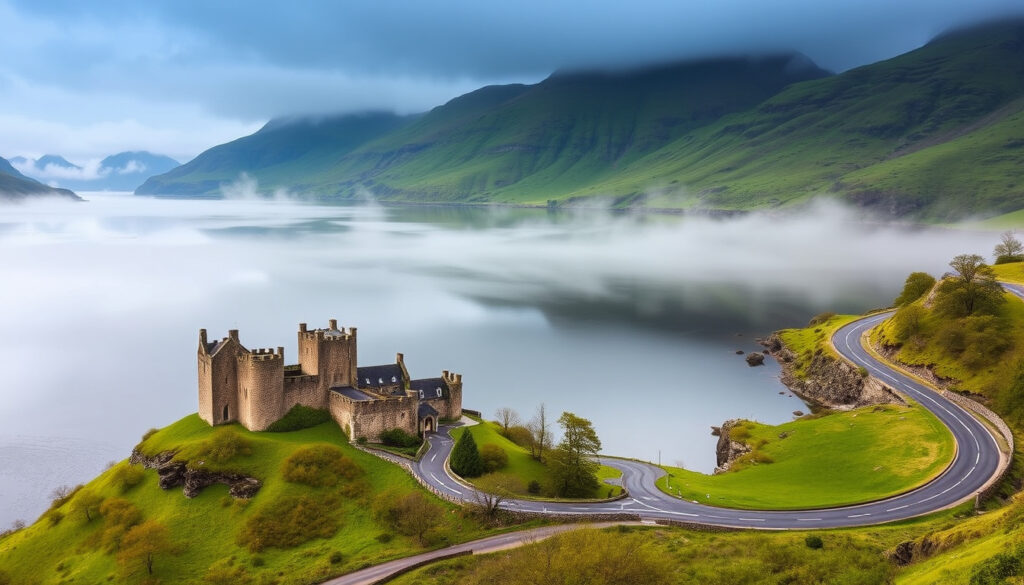
Things to Do in Inverness – Castles, Loch Ness and Day Trips
Inverness sits at the northern tip of Britain’s mainland, where the River Ness flows toward Loch Ness and the Scottish Highlands begin to reveal their ancient character. The city of roughly 47,000 residents has earned its nickname as the Highland Capital, serving as a natural hub for visitors drawn to castles, battlefields, forests, and the legendary waters that have captivated imaginations for centuries. Whether arriving for a weekend escape or using the city as a base for exploring the surrounding landscapes, visitors discover a destination where history remains woven into everyday surroundings.
Modern Inverness manages to balance its role as a regional administrative centre with genuine appeal for travellers seeking both cultural depth and outdoor adventure. Victorian-era architecture lines the riverfront, medieval churches anchor the old town, and contemporary visitor attractions have expanded significantly in recent years. The city’s compact centre makes it possible to walk between major sites within minutes, while public transport connections reach into some of Scotland’s most dramatic scenery. With the 2026 reopening of Inverness Castle after renovation, the city has gained a newly modernised museum space showcasing Pictish stones, historic weapons, and immersive exhibits covering Highland history including the Battle of Culloden.
This guide compiles the essential activities, day trip options, and practical planning advice to help visitors make the most of time spent in and around Inverness. Information draws from official tourism sources, established travel guides, and verified visitor reviews to present an accurate picture of what the city and its surroundings currently offer.
Top Attractions in Inverness
The most compelling reasons to visit Inverness centre on a handful of landmarks that have defined the city for generations. These sites represent different eras of Highland history, from Pictish settlements through Victorian rebuilding to contemporary preservation efforts.
Four Must-See Inverness Highlights
Inverness Castle
Victorian rebuild atop a 1000-year-old defensive site. The red sandstone structure offers panoramic views over the River Ness. Following its 2026 reopening, the castle houses a museum featuring Pictish stones, historic weapons, and exhibits exploring Highland history.
Loch Ness and Urquhart Castle
The legendary freshwater loch lies within easy reach of Inverness. Cruises depart from Dochgarroch Lock or Inverness Bus Station, with many routes stopping at Urquhart Castle—an atmospheric ruin offering commanding views across the dark waters.
Tomatin Distillery
Rated the top visitor attraction in Inverness on TripAdvisor, this Highland distillery offers guided tours and tasting sessions in a setting that has produced whisky since 1897. The visitor centre provides an accessible introduction to Scotch whisky production.
Culloden Battlefield
The site of the 1746 battle that ended Jacobite resistance stands east of Inverness. The moor itself offers free access, though the National Trust for Scotland visitor centre provides artefacts, an immersion theatre, and audio tours that bring the historical events into sharp focus.
Key Insights for First-Time Visitors
- Inverness serves as the primary gateway to the Scottish Highlands, with excellent transport connections north, west, and toward the coast
- The city combines historic architecture with living culture—museums, galleries, and traditional music venues coexist alongside contemporary restaurants and shops
- May through September typically offers the longest daylight hours, extending available sightseeing time well into the evening
- Public transport, including bus services operated by local operators, reaches many nearby attractions without requiring a hire car
- The compact city centre allows visitors to walk between Inverness Castle, Leakey’s Bookshop, the Old High Church, and the River Ness within an hour
- Seasonal variations significantly affect the experience—summer brings crowds and extended hours, while winter offers quieter exploration and a romantic atmosphere
Inverness at a Glance
| Fact | Details |
|---|---|
| Population | Approximately 47,000 residents |
| Nickname | The Highland Capital |
| Location | River Ness estuary, western shore of Loch Ness |
| Average Visit Duration | 2-3 days recommended for a balanced itinerary |
| Key Historic Sites | Inverness Castle, Old High Church, Culloden Battlefield |
| Natural Features | River Ness, Caledonian Canal, Merkinch Nature Reserve |
| Nearby Icons | Loch Ness, Urquhart Castle, Clava Cairns, Fort George |
| Whisky Attraction | Tomatin Distillery (top-rated visitor centre) |
Best Day Trips from Inverness
One of Inverness’s strongest assets is its position as a base for exploring the wider Highlands. Many of Scotland’s most recognisable landmarks lie within a two-hour drive, making day trips a practical proposition rather than an ambitious undertaking.
Loch Ness Excursions
The loch itself stretches over 23 miles and reaches depths exceeding 700 feet, holding more freshwater than all the lakes of England and Wales combined. Visitors should consider whether they prefer the flexibility of independent travel or the convenience of an organised tour. Cruises operate from Dochgarroch Lock, which lies a short drive from the city centre, with alternative departures available from Inverness Bus Station during peak seasons. Tour operators often combine the cruise experience with stops at Urquhart Castle, allowing visitors to walk among the medieval ruins while learning about the castle’s role in the Wars of Independence and later Jacobite conflicts.
Culloden Battlefield and the Clava Cairns
The battlefield warrants at least two to three hours for proper exploration. The National Trust for Scotland visitor centre houses artefacts recovered from the moor, including weapons, uniforms, and personal items belonging to soldiers from both sides. The 360-degree immersion theatre recreates the battle’s final minutes, placing visitors amid the chaos of the charge and countercharge that decided the fate of the Jacobite cause. Those visiting on a self-guided basis should note that moor access remains free, though the visitor centre charges an entry fee and parking applies.
The Clava Cairns standing stones lie nearby, offering a glimpse into the Bronze Age with their ancient passage tombs. The site gained renewed fame through its appearance in the Outlander novels and television adaptation, drawing fans of the series alongside those interested in prehistoric archaeology.
Coastal Wildlife and Dramatic Landscapes
Chanonry Point on the Black Isle rewards visitors who time their visit correctly with views of bottlenose dolphins congregating in the Inner Moray Firth. The lighthouse spit provides the optimal vantage point, though success depends on tidal conditions and patience. For those interested in exploring further from the beaten path, Highlands Council tourism resources provide updated information on trail conditions and accessibility.
Corrieshalloch Gorge offers a different kind of drama. The suspension bridge spans a 150-foot drop above the Falls of Measach, and crossing it provides an memorable perspective on one of the Highlands’ most powerful waterfalls. The site works well combined with a visit to the north-west coast or as part of a longer route toward Ullapool.
Summer weekends and school holiday periods see significant demand for Loch Ness cruises, Culloden visitor centre access, and popular attractions. Booking through official channels in advance helps secure preferred times and sometimes offers modest discounts compared to walk-up pricing.
Family-Friendly and Free Activities in Inverness
Travelling with children or managing a limited budget need not restrict the range of experiences available. Inverness and its surroundings offer activities suited to families and options that cost little or nothing to enjoy.
Activities for Children
Robertson’s Farm Shop at Beauly provides an engaging afternoon for families, with Highland cows including famous residents named Jamie Mackenzie Fraser, Katie-Morag, and Heather drawing particular attention from visitors familiar with the television series filmed nearby. The petting farm includes alpacas, pigs, and donkeys, with admission fees supporting the animal care and local produce available for purchase.
The Inverness Botanic Gardens offer a more relaxed atmosphere, with seasonal displays, succulents, greenhouses, and fish ponds providing visual interest for younger visitors. The on-site café allows adults to pause while children explore the paths and planting beds. Wildlife cruises from Inverness appeal to children drawn to the idea of hunting for the Loch Ness Monster, and boat operators typically provide commentary suitable for all ages.
Budget-Friendly Exploration
The moorland surrounding Culloden Battlefield allows free access, giving families the opportunity to walk the same ground where the historic battle unfolded without purchasing museum tickets. The open space provides room for children to move freely while parents absorb the atmospheric weight of the site.
City centre walks through Inverness connect several landmarks at no cost. The Ness Bridge crossing offers views of the river, the castle sits prominently above the eastern bank, and statues commemorating Flora Macdonald and other historical figures add context to the urban landscape. The Old High Church and the Tolbooth steeple represent other architectural points of interest within walking distance of each other.
The Merkinch Nature Reserve and Reelig Glen trails provide nature-based activities without admission charges. Reelig Glen features an easy circular route through ancient forest that includes Britain’s tallest trees, a mossy gorge, and the Moniack burn. The forest atmosphere has earned it a “Fairy Glen” reputation among locals, and the short distance from Inverness makes it practical for an afternoon walk.
The Inverness Museum and Art Gallery offers partial free access to its collections covering geology, Neolithic settlers, Picts, Vikings, and Jacobite history. The museum connects with the castle complex and provides a sheltered option when Highland weather turns unpredictable.
Planning Your Inverness Itinerary
Deciding how long to spend in Inverness depends on the balance between city-based activities and day trip ambitions. The compact centre rewards focused exploration, while the surrounding Highlands warrant additional time for those who wish to venture further afield.
How Many Days Do You Need?
Most visitors find that three or more days provides a comfortable minimum for experiencing the city and completing day trips to locations such as Culloden and Loch Ness. A single day in Inverness itself allows time for the castle, Leakey’s Bookshop, a walk along the river, and perhaps an evening meal before continuing elsewhere. Extending the stay to two days adds capacity for the botanic gardens, a distillery visit, or the Caledonian Canal path without feeling rushed.
Those basing themselves in Inverness for longer stretches can combine multiple day trip destinations within a single journey, visiting locations such as Fort George, the Black Isle, or Cawdor Castle while maintaining the city as a fixed point. This approach works particularly well for visitors with access to a vehicle, though AA breakdown cover provides reassurance for those planning to drive on rural Highland roads where assistance may be distant.
When to Visit
Summer months bring extended daylight hours, with twilight lasting well past 10pm in June and July. This timing suits visitors focused on outdoor activities, cruises, and hiking, though it also coincides with peak visitor numbers at popular attractions. Advance booking for accommodation and major sites becomes more critical during school holiday periods, particularly late July and early August.
The shoulder seasons of spring and autumn offer a middle ground—longer days than winter, reduced crowds at major sites, and sometimes more atmospheric conditions for photography and contemplative exploration. October and November bring the first hints of winter weather, while March and April see warming temperatures and spring flowers emerging in gardens and woodlands.
Winter transforms the city’s character. Shorter days limit outdoor sightseeing to daylight hours, but the compensated atmosphere suits couples seeking a romantic break. Cosy pub sessions, candlelit distillery tours, riverside walks at dusk, and the quieter pace of off-season travel appeal to those who prefer intimacy over crowds. Layered clothing remains essential regardless of the calendar month.
Highland weather can shift rapidly regardless of season. Packing layers, waterproof outerwear, and sturdy footwear serves visitors well throughout the year. Weather conditions may affect ferry services to the Isle of Skye and other coastal excursions, so building flexibility into itineraries helps accommodate changes.
A 48-Hour Inverness Itinerary
The following sample itinerary demonstrates how to structure a two-day visit, combining city exploration with day trip destinations.
- Morning Day 1: Arrive in Inverness and settle into accommodation. Walk the city centre, crossing the Ness Bridge for views of the castle from the western bank.
- Midday Day 1: Visit Inverness Castle and the surrounding museum complex. The Pictish stone collection and Highland history exhibits provide context for understanding the region’s past.
- Afternoon Day 1: Explore Leakey’s Bookshop, housed in a former church with characterful interior stacking. Continue to the Old High Church and the nearby museum if time allows.
- Evening Day 1: Stroll along the River Ness toward the Caledonian Canal. Consider a canalside dinner or traditional music session in the city centre.
- Morning Day 2: Travel to Culloden Battlefield, allowing two to three hours for the visitor centre and moor exploration.
- Midday Day 2: Stop at the Clava Cairns standing stones before continuing toward Loch Ness.
- Afternoon Day 2: Board a Loch Ness cruise, visiting Urquhart Castle for views and photography before returning to Inverness.
- Evening Day 2: Depart or extend stay based on available time and transport connections.
Those planning extended visits should note that UK bank holidays often affect transport availability and attraction hours, particularly the Christmas and New Year period when reduced services may require advance booking.
What Visitors Can Expect Versus What Remains Uncertain
Based on current information and verified sources, certain aspects of visiting Inverness remain reliably consistent, while others carry variables worth acknowledging.
| Established Information | Variables and Uncertainties |
|---|---|
| Inverness Castle reopened in 2026 with modernised museum facilities | Specific exhibit rotations may change; visitors should check current offerings before visiting |
| Tomatin Distillery maintains top-rated visitor status on major review platforms | Tour schedules and tasting availability may vary seasonally |
| Culloden Battlefield moor access remains free with paid visitor centre | Parking fees and opening hours subject to NTS policy updates |
| Most attractions accept card payments and have accessibility information available | Individual accessibility varies significantly; advance enquiries recommended for specific needs |
| Public transport connects Inverness to major attractions, though frequency varies by season | Bus and tour schedules may be reduced outside summer months |
Why Inverness Matters in the Scottish Travel Landscape
Inverness occupies a distinctive position within Scotland’s tourism geography. Edinburgh draws visitors with its UNESCO-listed Old Town and artistic institutions, Glasgow attracts those interested in music and industrial heritage, and Inverness concentrates its appeal on the raw beauty and historical depth of the northern Highlands. The city serves as a natural conclusion point for many touring routes, and its transport connections make it accessible from most entry points into Scotland.
For those exploring the North Coast 500 or heading toward the Isle of Skye, Inverness provides a reliable base where visitors can rest, resupply, and reconnect with urban comforts before continuing into more remote territory. The city’s visitor infrastructure has developed substantially in recent years, offering accommodation options ranging from traditional guesthouses to contemporary hotels, while restaurants and bars have expanded to cater to increasingly diverse tastes.
More related posts
 How Many Grams in a Tablespoon – Charts for Flour, Sugar, Butter & More
 Uber Eats Contact Number – UK Support Options Explained
 How Old Is Shania Twain – Age, Family and Career Facts
 Why Do Dogs Lick You – Reasons, Risks and Management Tips
 CGT Allowance 2023/24 – Rates, Rules and Tax Planning Tips
 When Is Spotify Wrapped 2025 – Release Date and Access Guide
 Leek and Potato Soup – Perfect Creamy Results Without Cream
 Trainline Contact Number Free – Official UK Line, Hours and Costs
