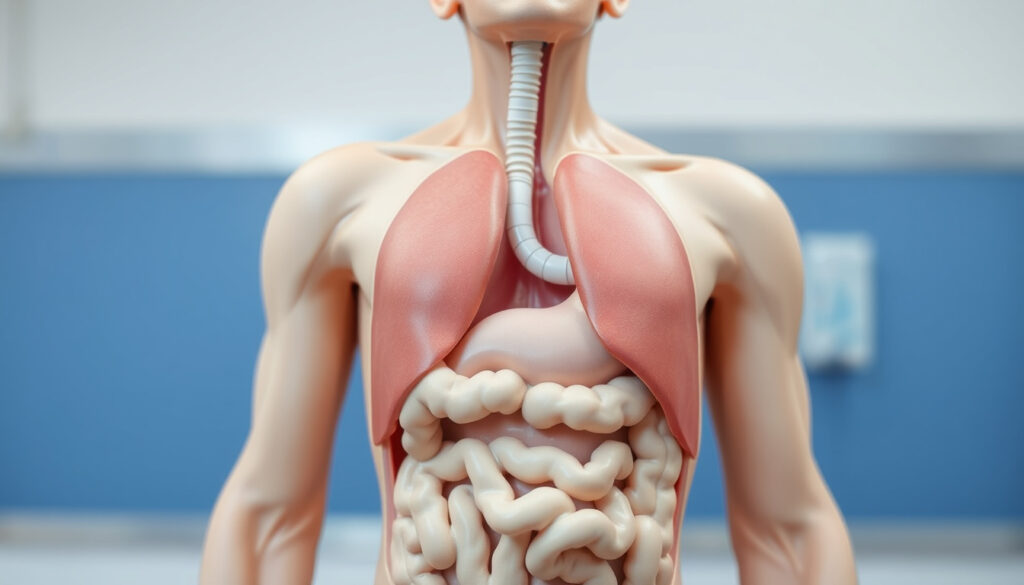
Digestive System – Diagram, Organs and How It Works
The human digestive system is the group of organs that breaks food into nutrients the body can absorb and use for energy, growth, and repair. It is often described as a long journey food takes through the body, involving a series of specialized organs that each play a distinct role.
Digestion turns food and liquids into building blocks and fuel. The system has two main parts: the digestive tract, a continuous tube food passes through, and accessory organs that add juices, enzymes, or bile to aid the process. Understanding how this system works is fundamental for biology education and health literacy.
What Is the Digestive System and How Does It Work?
Digestive System at a Glance
Key Insights
- The digestive system is a 30-foot-long tube (GI tract) plus accessory organs.
- Digestion begins in the mouth with mechanical and chemical breakdown.
- The small intestine is where 90% of nutrient absorption occurs.
- The liver performs over 500 functions related to digestion and metabolism.
- Fiber and water are critical for healthy digestion and regular bowel movements.
Digestive System Fast Facts
| Fact | Value |
|---|---|
| Total length of GI tract | About 30 feet (9 meters) |
| Stomach acid pH | 1.5 to 3.5 (highly acidic) |
| Small intestine length | ~20 feet (6 meters) |
| Large intestine length | ~5 feet (1.5 meters) |
| Time for complete digestion | 24 to 72 hours |
The digestive system is essentially a very long tube that stretches from the back of the mouth to the anus. According to the NIDDK, the system is made up of the gastrointestinal tract and the liver, pancreas, and gallbladder.
What Are the Main Organs of the Digestive System?
Mouth and Esophagus
Chewing in the mouth starts digestion. Saliva moistens food and the enzyme amylase begins breaking down carbohydrates. The esophagus is a muscular tube that moves food to the stomach by rhythmic contractions called peristalsis.
Stomach
The stomach churns food with acid and enzymes, turning it into a thick mixture called chyme. Food typically stays in the stomach for 2 to 4 hours, depending on the type and amount consumed.
While many believe digestion starts in the stomach, it actually begins in the mouth with chewing and salivary enzymes. The stomach’s main role is to mix food with acid and enzymes to continue the breakdown process.
Small Intestine, Liver, Gallbladder, and Pancreas
The small intestine is the main place where nutrients enter the blood. It receives bile from the liver and gallbladder and enzymes from the pancreas. The liver makes bile, helps process nutrients, and removes toxins. The gallbladder stores bile and releases it into the small intestine. The pancreas makes digestive enzymes and also produces insulin to control blood sugar.
Large Intestine, Rectum, and Anus
The large intestine absorbs water, salts, and minerals from leftovers, forming stool. The rectum stores waste, and the anus is the final opening where waste leaves the body.
Labeled Organ Guide
| Part | Job |
|---|---|
| Mouth | Chews food and mixes it with saliva |
| Esophagus | Pushes food to the stomach |
| Stomach | Mixes food with acid and enzymes |
| Liver | Makes bile and processes nutrients |
| Gallbladder | Stores bile |
| Pancreas | Makes digestive enzymes and insulin |
| Small intestine | Finishes digestion and absorbs nutrients |
| Large intestine | Absorbs water and forms stool |
| Rectum | Stores stool |
| Anus | Releases stool from the body |
How to Draw and Label a Digestive System Diagram
Creating a labeled diagram of the human digestive system is a common educational activity. The journey of food is often taught as mouth → esophagus → stomach → small intestine → large intestine → rectum → anus, with helper organs like the salivary glands, liver, gallbladder, and pancreas. The NIDDK provides a labeled digestive system illustration that can serve as a reference.
Children’s learning guides and videos commonly explain digestion as a sequence: chewing, swallowing, breaking food down, absorbing nutrients, and removing waste. Resources from National Geographic Kids and educational videos like those from Smile and Learn offer step-by-step visual teaching.
When drawing, start with the mouth, then draw the esophagus leading down to the stomach. From there, continue with the small intestine (the longest section), followed by the large intestine, rectum, and anus. Add the liver, gallbladder, and pancreas as accessory organs connected to the small intestine. Labeling activities help reinforce which part does what.
Simple Digestion Process Step by Step
- Eat and chew food in the mouth.
- Swallow the food so it goes down the esophagus.
- Stomach acids and enzymes break it into smaller pieces.
- Small intestine receives bile from the liver/gallbladder and enzymes from the pancreas, then absorbs nutrients into the blood.
- Large intestine absorbs water and forms waste.
- Waste is stored in the rectum and leaves through the anus.
How Does the Digestive System Work for Kids?
Children’s learning guides often simplify the process. The Nemours KidsHealth explains that you can help your digestive system by drinking water and eating a healthy diet that includes foods rich in fiber. Fiber adds bulk to stool, helps prevent constipation, and feeds beneficial gut bacteria.
A widespread belief is that the liver produces digestive enzymes. In reality, the liver produces bile for fat digestion, but enzymes come from the pancreas and small intestine. Fiber, while not digested, is essential for health as it helps regulate bowel movements.
The BBC Bitesize describes the digestive system as breaking down food into tiny particles which are absorbed into the blood. The Great Ormond Street Hospital (NHS) reinforces that the digestive system is essentially a very long tube. Understanding nutrition and energy use is also important; learning about How Many Calories Should a Woman Eat directly relates to the body’s use of digested nutrients.
How Long Does Digestion Take? A Step-by-Step Timeline
Digestion Timeline
- Mouth (seconds to minutes): Chewing and saliva begin starch breakdown.
- Esophagus (5-10 seconds): Peristalsis moves food to stomach.
- Stomach (2-4 hours): Acid and enzymes break down proteins.
- Small Intestine (3-6 hours): Nutrient absorption into bloodstream.
- Large Intestine (12-48 hours): Water absorption and waste formation.
Digestive System: What We Know vs. Common Misconceptions
| Established Information | Information That Remains Unclear or Misunderstood |
|---|---|
| The small intestine absorbs most nutrients via villi and microvilli. | Many believe digestion starts in the stomach, but it begins in the mouth. |
| The liver produces bile for fat digestion. | Some think the liver produces digestive enzymes, but enzymes come from the pancreas and small intestine. |
| Fiber is not digested but is essential for bowel regularity. | The exact mechanisms of the gut microbiome and fiber are still being researched. |
Why Is Understanding the Digestive System Important?
The digestive system is a complex, multi-organ system that converts food into energy and nutrients. Common digestive disorders affect millions globally, making this topic relevant for both students and patients. Diagrams and labeling activities are among the most searched resources, indicating strong educational demand. Vitamin D absorption occurs through the digestive system, and deficiencies are often linked to digestive health issues, which is why understanding Vitamin D Deficiency Symptoms is a natural complement to this topic.
What Do Trusted Sources Say About the Digestive System?
“The digestive system is made up of the gastrointestinal tract—also called the GI tract or digestive tract—and the liver, pancreas, and gallbladder.”— NIDDK (NIH)
“Your digestive system is a group of organs that work together to digest and absorb nutrients from the food you eat.”— Cleveland Clinic
“The digestive system breaks down food into tiny particles which are absorbed into the blood.”— BBC Bitesize
What Should You Remember About the Digestive System?
The human digestive system is a remarkable, multi-organ system that transforms food into the energy and nutrients the body needs. From the first bite in the mouth to the elimination of waste, each organ plays a specific and essential role. Maintaining digestive health through a balanced diet, adequate hydration, and fiber intake is key to overall well-being.
Frequently Asked Questions
What is the function of the mouth in the digestive system?
The mouth mechanically breaks down food through chewing and chemically begins starch digestion with salivary amylase.
How long does food stay in the stomach?
Food typically stays in the stomach for 2 to 4 hours, depending on the type and amount of food consumed.
What is the difference between the small and large intestine?
The small intestine absorbs nutrients, while the large intestine absorbs water and forms waste (stool).
Why is fiber important for digestion?
Fiber adds bulk to stool, helps prevent constipation, and feeds beneficial gut bacteria.
Can digestion happen without a gallbladder?
Yes, the liver still produces bile, but it drips continuously into the small intestine instead of being stored.
More related posts
 Cast of Wedding Crashers – Full Cast List and Cameo Guide
 Curtis Sliwa – Biography, Net Worth, Family and 2025 Campaign
 Cold and Flu Tablets – UK Guide to Ingredients and Safety
 Rent a Car London – Cheapest Rates at Heathrow and Tips
 England Rugby World Cup – Complete History and Upcoming Tournaments
 Cadac Safari Chef 2 – Review, Prices and Accessories for 2025
 Viva La Vida Lyrics – Coldplay Full Text and Meaning
 White T-Shirt – Best Picks from Primark to Designer
