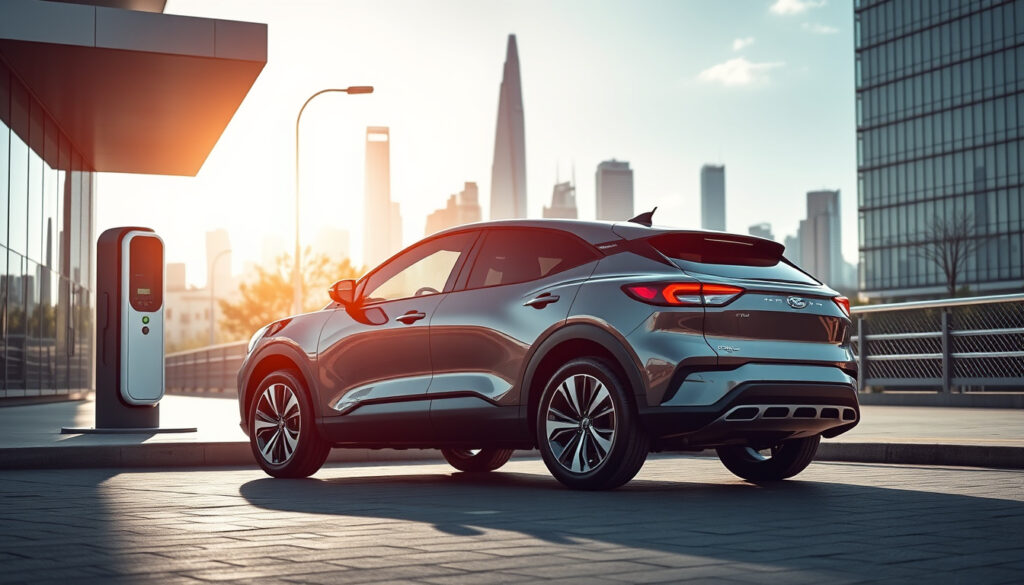
Ford Puma Gen-E Review – Range, Price, Specs and Trims
Ford Puma Gen-E Review: Range, Price, and Features
The Ford Puma Gen-E is the all-electric version of one of Ford’s best-selling crossovers. It blends familiar Puma practicality with a zero-emission powertrain, a competitive starting price, and a driving character that reviewers have described as genuinely enjoyable. For buyers considering a compact electric SUV, the Puma Gen-E presents a strong value-focused case.
Positioned as an affordable entry point into EV ownership, the Gen-E does not try to win on outright range. Instead, it focuses on efficiency, urban agility, and a well-appointed interior. The car uses a single front-mounted electric motor, draws power from a relatively small battery, and can charge from 10 to 80 per cent in under half an hour. Early reviews from the RAC, Drive Electric, and BusinessCar have highlighted its composed ride and keen handling as standout qualities.
Deliveries began in late 2025, and the model has already been updated for the 2026 model year with small range improvements and the addition of BlueCruise hands-free motorway technology on certain trims. The Puma Gen-E is sold alongside the petrol-powered Puma, giving buyers a clear choice between combustion and electric in the same body style.
From £29,995 (list) / £26,245 (with grant)
233 miles WLTP / ~180 miles real-world
10–80% in ~25 minutes (DC 100 kW)
Select, Premium, BlueCruise Edition
What is the Ford Puma Gen-E Range and Charging Performance?
Range and charging are two of the most frequently asked questions about any electric car, and the Puma Gen-E delivers respectable numbers for its class. The official WLTP figure stands at 233 miles for the earlier configuration, while some 2026 model references point to an updated figure of around 250 miles depending on market and specification.
Real-world results are naturally lower. Top Gear recorded 4.4 miles per kWh in warm weather, which translates to approximately 190 miles of realistic range. A YouTube road test reported between 180 and 200 miles in mixed driving. Cold weather has a more pronounced effect: EV Powered predicted around 130 miles during winter testing. Overall, the car performs best in city and suburban driving, where stop-start traffic and lower speeds play to its efficiency strengths.
- The Ford Puma Gen-E uses a 43 kWh usable battery (53 kWh gross in some references; 2026 updates may lift usable capacity to 46–47 kWh).
- DC fast charging tops out at 100 kW, enabling a 10–80 per cent charge in approximately 23 to 26 minutes according to multiple reviewers.
- On a 7 kW home wallbox, a full charge takes roughly six to seven hours, making overnight top-ups straightforward.
- The charging speed is considered strong for the segment and helps compensate for the modest battery size in everyday use.
- WLTP range varies by trim and wheel size; smaller wheels typically return slightly better efficiency.
- Real-world efficiency is good but not class-leading against dedicated EV platforms.
- Motorway driving reduces range more noticeably than urban routes, a characteristic common to most compact EVs.
The official WLTP figure of 233 miles is achieved under controlled laboratory conditions. In daily use, expect a realistic range between 170 and 190 miles in mixed conditions, and closer to 130 miles in sustained cold weather or motorway driving. These figures come from published road tests by Top Gear, EV Powered, and independent YouTube reviewers.
| Specification | Detail |
|---|---|
| Battery capacity | 43.6 kWh usable (estimated; some 2026 sources suggest 46–47 kWh) |
| WLTP range | up to 233 miles (375 km); 2026 updates may reach ~250 miles |
| Real-world range | approx 170–190 miles (270–310 km) in mixed driving |
| Charging (10–80%) | ~23–26 minutes (DC 100 kW) |
| 0–62 mph | approx 8 seconds |
| Price from | ~£29,995 list / £26,245 with Electric Car Grant applied |
| Trims | Select, Premium, BlueCruise Edition (Sound Edition in some markets) |
How Much Does the Ford Puma Gen-E Cost and What Trims Are Available?
Pricing is one of the Puma Gen-E’s strongest talking points. The entry-level Select trim starts at £29,995 on the road before any government incentives. With the UK’s top-band Electric Car Grant applied — worth up to £3,750 — the effective starting price drops to approximately £26,245. That positions the Gen-E as one of the more affordable electric crossovers on sale in Britain.
The Premium trim sits at around £31,995 to £33,095 depending on specification, adding larger wheels, adaptive beam headlights, keyless entry, power-folding mirrors, an upgraded sound system, an electric tailgate, and a rear-view camera. The BlueCruise Edition, priced at approximately £34,295, adds Ford’s hands-free motorway driving system and is aimed at buyers who want the latest driver assistance technology.
What is the Ford Puma Gen-E Select trim?
Select is the entry-level grade but still includes LED headlamps, a heated windscreen, climate control, front and rear parking sensors, cruise control, keyless start, privacy glass, and the core infotainment system. It is designed to offer strong value without feeling basic.
What is the Ford Puma Gen-E Premium trim?
Premium builds on Select with a more comprehensive equipment list. The key additions are 18-inch alloy wheels (or larger), adaptive beam headlights, keyless entry, power-folding door mirrors, a premium sound system, an electric tailgate, a rear-view camera, and the Winter Pack and Driver Assistance Pack. The RAC notes that Premium represents a meaningful step up in comfort and convenience.
What is the Ford Puma Gen-E Sound Edition?
The Sound Edition appears in some market-specific listings and YouTube reviews, though it is less consistently documented than Select, Premium, and BlueCruise Edition. It is thought to be either a special edition focusing on audio equipment or a naming variation across different regions. Buyers should confirm availability with a local Ford dealer.
What is the Ford Puma Gen-E BlueCruise Edition?
The BlueCruise Edition is the technology-focused trim. It includes Ford’s hands-free motorway driving system, which allows the car to steer, accelerate, and brake on pre-mapped motorways without the driver needing to keep their hands on the wheel. This trim sits at the top of the range and is priced around £34,295.
Carwow reports that the Puma Gen-E was one of the first vehicles to qualify for the full £3,750 UK government grant. When applied to the Select trim, the effective price drops to £26,245, which undercuts many comparable petrol crossovers on monthly finance costs. Check current grant eligibility with official sources before ordering.
How Does the Ford Puma Gen-E Drive?
Reviewers have been broadly positive about the driving experience. BusinessCar praised the precise steering, keen turn-in through corners, and well-controlled body despite the extra weight of the battery. The car uses a single electric motor driving the front wheels, producing 168 hp (124 kW) and 290 Nm of torque. The 0–62 mph sprint takes around eight seconds, which reviewers describe as respectable rather than rapid.
Is the Ford Puma Gen-E a good car?
The RAC calls it one of the best cheap yet fun electric cars on sale, noting that while keen drivers will appreciate the firm but well-damped ride, the car is equally at home on the daily commute. The Gen-E feels like a natural evolution of the petrol Puma rather than a radical departure, which helps ease the transition for existing Puma owners moving to electric.
What is the Ford Puma Gen-E ride comfort like?
The suspension is tuned for a balance between comfort and control. In town, the car absorbs bumps adequately, and the extra battery mass actually helps settle the body over uneven surfaces. On the motorway, the ride remains composed, though some road noise is noticeable at higher speeds. The car is stronger in urban and regional use than on extended motorway journeys.
What Is the Interior and Technology Like in the Ford Puma Gen-E?
Inside, the Puma Gen-E carries over the familiar dashboard layout from the petrol version, with EV-specific updates to the instrument cluster and infotainment displays. The cabin feels well-built for the class, with soft-touch materials on key surfaces and a logical button layout that avoids the all-touchscreen approach favoured by some rivals.
Standard equipment across the range includes LED headlamps, a heated windscreen, climate control, front and rear parking sensors, cruise control, keyless start, privacy glass, and a rear-view camera on higher trims. The Premium trim adds an electric tailgate, power-folding mirrors, an upgraded sound system, and adaptive beam headlights. The infotainment system supports smartphone mirroring and includes a crisp touchscreen, though the exact size varies by trim level.
What technology does the Ford Puma Gen-E have?
Beyond the infotainment system, the Gen-E offers a range of driver assistance features. The BlueCruise Edition includes Ford’s hands-free motorway driving system, which is one of the more advanced semi-autonomous systems available in this price bracket. Lower trims still get automatic emergency braking, lane-keeping assist, traffic sign recognition, and driver alert monitoring as standard. The RAC notes that the technology package is competitive for the segment.
Upgrading from Select to Premium adds larger alloy wheels, adaptive beam headlights, keyless entry, power-folding mirrors, an upgraded sound system, an electric tailgate, a rear-view camera, and the contents of the Winter Pack and Driver Assistance Pack. The price difference is approximately £2,000 to £3,100 depending on market and current promotions.
When Was the Ford Puma Gen-E Released and What Are the Key Milestones?
- 2024 — Ford announces plans for an all-electric version of the Puma crossover.
- Mid-2025 — The Ford Puma Gen-E is officially launched in Europe with first deliveries.
- September 2025 — Early reviews are published by Drive Electric and BusinessCar, providing initial driving impressions and range data.
- October 2025 — BusinessCar releases its full review, highlighting the car’s precise steering and composed ride.
- January 2026 — The RAC publishes an updated review reflecting the latest model-year changes, including the BlueCruise Edition and revised range figures.
Exact production start dates and individual market delivery schedules were not confirmed in the available research materials. The timeline above is based on the publication dates of independent reviews and official launch announcements.
What Is Known and What Remains Uncertain About the Ford Puma Gen-E?
| Established information | Information that remains unclear |
|---|---|
| Official WLTP range is stated by Ford at 233 miles for the original configuration; 2026 updates may reach ~250 miles. | Exact real-world range depends heavily on driving style, weather, and route. Published road tests suggest between 130 and 190 miles depending on conditions. |
| Trims: Select, Premium, and BlueCruise Edition are confirmed in UK and European markets. | The Sound Edition appears in some sources but is not consistently documented across all markets. It may be a regional special edition. |
| Starting price is approximately £29,995 list, or £26,245 with the top-band Electric Car Grant applied. | Battery capacity figures vary between sources. Most reviews cite 43 kWh usable (53 kWh gross), but some 2026 references mention 46–47 kWh usable. The exact figure depends on model-year and measurement method. |
| DC fast charging at 100 kW delivers a 10–80% charge in 23–26 minutes. | Availability and delivery timelines vary by region and are subject to dealer allocation. |
How Does the Ford Puma Gen-E Fit Into the Electric SUV Market?
The Ford Puma Gen-E enters a competitive segment that includes the Vauxhall Corsa Electric, Peugeot e-208, MG4, and the Jeep Avenger. It builds on the popular petrol Puma platform but swaps the combustion engine and gearbox for a single electric motor and a floor-mounted battery pack. The electric version retains the same basic crossover proportions and much of the interior layout, which helps existing Puma owners feel immediately at home.
Ford’s strategy with the Gen-E appears to prioritise affordability and driving enjoyment over maximum range. With a WLTP figure of 233 miles and a real-world range closer to 180 miles, the car is best suited to buyers who primarily drive in and around towns and cities, with occasional regional trips. The multiple trim levels offer room for personalisation, but the higher trims push the price closer to longer-range rivals such as the MG4 Long Range. The petrol Puma remains cheaper in some configurations, but the Gen-E offsets that with lower running costs and eligibility for government incentives.
What Do the Experts Say About the Ford Puma Gen-E?
“Highlights include the precise steering, keen turn-in when it comes to corners, and the well-controlled body – despite the extra weight.”
— BusinessCar.co.uk, October 2025
“With its real-world range of 170 miles, solid charging speeds, and a practical, well-specced interior, it’s a great choice for drivers looking to go electric.”
— DriveElectric.co.uk, September 2025
“As a cheap yet fun electric car, the Puma Gen-E is among the best. But while keen drivers will like the firm yet very well-damped ride comfort.”
— RAC.co.uk, January 2026
These three reviews — from BusinessCar, Drive Electric, and the RAC — represent the most detailed independent assessments of the Puma Gen-E currently available. All three sources are UK-based automotive authorities with established reputations for balanced, expert-driven car reviews.
Is the Ford Puma Gen-E Worth Considering?
The Ford Puma Gen-E makes a compelling case for itself as a well-rounded, affordable entry into electric motoring. It offers a fun driving experience, a practical interior, competitive charging speeds, and a trim range that allows buyers to choose between value and technology. The real-world range is honest rather than class-leading, and the battery size is modest compared to some rivals. However, for urban and suburban drivers who can charge at home or at work, the Gen-E delivers a convincing package at a price that undercuts much of the competition. If you are considering an electric car for daily use and value driving enjoyment alongside affordability, the Puma Gen-E deserves a place on your shortlist. For related reading on car ownership costs, see Check Car Tax NI and AA European Breakdown Cover.
Frequently Asked Questions About the Ford Puma Gen-E
Is the Ford Puma Gen-E available now?
Yes, the Ford Puma Gen-E is on sale in the UK and Europe as of late 2025.
What is the difference between the Ford Puma Gen-E and the petrol Ford Puma?
The Gen-E is fully electric, uses a single motor, has a different front grille, no exhaust, and a slightly shorter wheelbase due to battery placement. It offers instant torque but lower total range compared to the petrol version’s fuel tank range.
What is the Ford Puma Gen-E Blue variant?
The Blue variant is a special appearance package featuring unique blue exterior accents and likely exclusive interior trim. It may be market-specific.
What is the Ford Puma Gen-E towing capacity?
As of current information, the Ford Puma Gen-E is not rated for towing. Check official Ford specifications for the latest guidance.
What is the Ford Puma Gen-E warranty?
Ford typically offers a 3-year/60,000-mile vehicle warranty and an 8-year/100,000-mile battery warranty. Confirm exact terms with a Ford dealer.
Does the Ford Puma Gen-E qualify for the UK plug-in car grant?
As of early 2026, the UK PiCG no longer applies to cars, but the government has other incentives. Consult official sources for current schemes.
What is the real-world range of the Ford Puma Gen-E in winter?
Independent tests suggest cold-weather range can drop to around 130 miles, depending on temperature, heating use, and driving conditions.
How long does a full charge take on a home wallbox?
On a 7 kW home wallbox, a full charge from empty takes approximately six to seven hours, making overnight charging practical.
More related posts
 The Rest Is Politics Podcast – Complete Guide to Hosts, Plus, Spin-Offs
 55 Inches in cm – Exact Conversion and TV Dimensions
 What Is a DBS Check – UK Guide to Types and Application
 Marks and Spencer Food – Premium Quality and Best Products Guide
 How Many Calories Should a Woman Eat – Complete Guide by Age and Goals
 iPhone 12 Release Date – Official Timeline and Model Details
 Grand Sirenis Punta Cana – Family Resort Guide 2025
 Park Foot Holiday Park – Prices, Reviews and Location Guide
