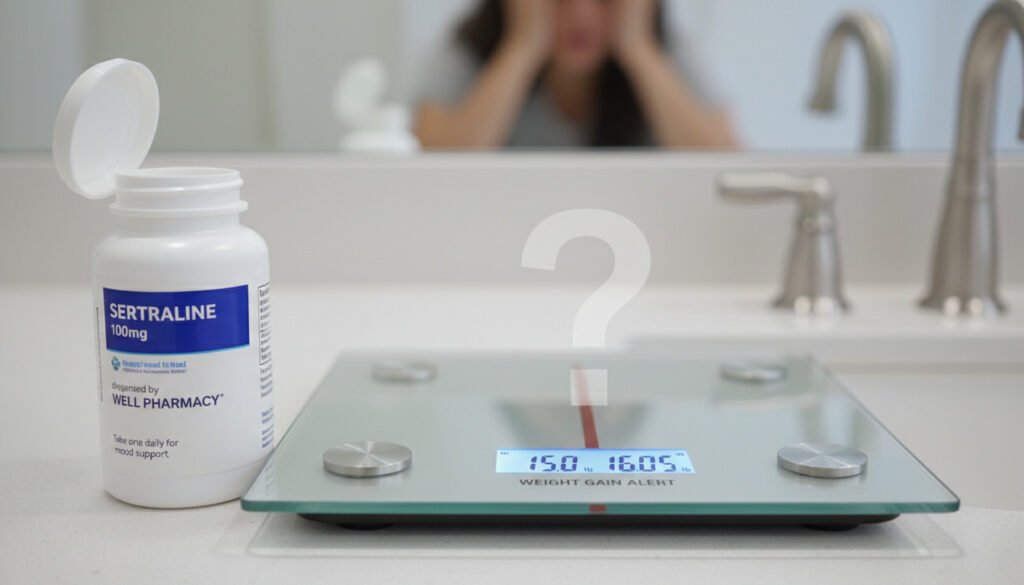
Does Sertraline Cause Weight Gain – Key Facts and Tips
Sertraline, marketed under the brand name Zoloft, ranks among the most frequently prescribed antidepressants in the United States. While physicians value its efficacy for depression and anxiety disorders, patients increasingly question its metabolic impact. Clinical data confirms that sertraline can influence body weight, though the effects prove more nuanced than simple causation.
Research demonstrates modest average increases across large populations, yet individual trajectories range from significant loss to gains exceeding ten pounds. Understanding these patterns requires examining peer-reviewed evidence rather than relying on aggregate assumptions.
Does Sertraline Cause Weight Gain?
The short answer is yes, though the extent and universality of this effect vary considerably. Large-scale human cohort studies establish that sertraline associates with measurable weight increases over time, yet approximately three-quarters of users experience minimal to no significant change.
Prevalence
~25% gain ≥5% of baseline weight long-term; only 4.5% gain ≥7%
Average Impact
0.5–3.2 pounds over 6–24 months in large cohorts
Mechanism
Multifactorial: appetite changes, activity levels, dose duration
Reversibility
Often stabilizes or reverses with lifestyle changes or discontinuation
Key insights from current research include:
- FDA documentation acknowledges weight changes as a possible side effect, though specific quantified warnings remain limited.
- Average gains remain modest in controlled settings, typically under five pounds annually for most users.
- Risk profiles escalate significantly after the six-month mark as initial nausea subsides.
- Dosages exceeding 100 mg daily correlate with higher incidence of substantial gains.
- Comparative analyses rank sertraline in the lower-middle tier for weight risk among SSRIs.
- Animal models paradoxically suggest protective metabolic effects, contrasting with human observational data.
- Short-term utilization of three months or less demonstrates minimal metabolic disruption.
| Timeframe/Factor | Observed Change | Source Context |
|---|---|---|
| 6 months | +0.5 pounds average | 2024 Annals of Internal Medicine (n=183,000) |
| 24 months | +3.2 pounds average | Harvard Health summary |
| 6–12 months (RCTs) | +1–1.6% body weight | Drugs.com analysis (n≈600) |
| 30 months (anxiety) | +2.5% (~3.5 lbs) | Women’s Mental Health review |
| Long-term ≥5% gain | ~25% of users | Multiple cohort studies |
| Long-term ≥7% gain | ~4.5% of users | Comparative SSRI data |
| ≤3 months | Minimal to slight loss | Short-term clinical trials |
| Dose >100 mg | Elevated risk | Long-term observational data |
How Much Weight Gain Is Common with Sertraline?
Quantifying sertraline’s metabolic impact requires distinguishing between statistical averages and individual experiences. Large population studies provide the most reliable benchmarks for expectation-setting.
Evidence from Large-Scale Studies
A 2024 analysis published in the Annals of Internal Medicine examined 183,000 adults, finding sertraline users gained an average of 0.5 pounds at six months and 3.2 pounds at twenty-four months. Harvard Health summarized similar cohort data, noting roughly 75% of participants gained less than five pounds or none at all.
Randomized controlled trials reported by Drugs.com indicate increases of 1–1.6% total body weight over 6–12 months—approximately 1.5–2.4 pounds for a 150-pound individual. A separate review focusing on anxiety patients tracked 316 subjects for 30 months, documenting average increases of 2.5% or roughly 3.5 pounds.
The 2024 cohort analysis represents one of the largest longitudinal examinations of antidepressant metabolic effects, utilizing electronic health records rather than self-reported data. This methodology reduces recall bias but introduces variables regarding concurrent medications and comorbidities.
Dose and Duration Considerations
Pharmacological exposure influences outcomes. Evidence suggests daily doses exceeding 100 mg associate with greater weight accumulation, particularly as treatment extends beyond the two-year threshold. Does Zoloft Cause Weight Gain? Science-Backed Guide details comparative SSRI analyses placing sertraline in the lower-middle risk category, with fluoxetine (Prozac) demonstrating similar modest profiles while paroxetine (Paxil) shows higher propensity for substantial gains.
Only 4.5% of long-term sertraline users experience gains exceeding 7% of baseline body weight, significantly lower than rates observed with alternative antidepressants.
Does Sertraline Always Cause Weight Gain or Can It Lead to Weight Loss?
Contrary to assumptions of universal weight accumulation, sertraline produces highly individualized metabolic responses. Clinical documentation includes significant subsets experiencing stabilization or reduction in body mass.
Initial Adjustment Periods
During the first four weeks of treatment, many patients report appetite suppression and nausea. Clinical observations note potential initial weight loss during this adjustment phase as gastrointestinal side effects limit caloric intake.
Long-Term Variability
Approximately 25% of users gain at least 5% of baseline weight, leaving 75% with minimal or no change, and some experiencing loss. Animal research complicates the narrative further: an 18-month monkey study demonstrated that sertraline prevented 8% weight gain and insulin resistance observed in placebo groups, suggesting species-specific metabolic interactions.
Baseline metabolic rate, concurrent dietary habits, activity levels, and genetic factors determine individual trajectories more reliably than medication selection alone. Patients with pre-existing insulin sensitivity may respond differently than those with standard metabolic profiles.
Can Weight Gain from Sertraline Be Managed or Reversed?
Metabolic changes associated with sertraline rarely prove permanent or unmodifiable. Strategic interventions address both behavioral and pharmacological dimensions.
Lifestyle and Monitoring Strategies
Proactive monitoring proves essential, particularly after the six-month mark when appetite typically normalizes. Dietary adjustments and maintained physical activity mitigate gains effectively. Research indicates that sertraline combined with healthy lifestyle factors prevents metabolic issues observed in sedentary cohorts.
Pharmacological Alternatives
For patients experiencing intolerable increases, bupropion (Wellbutrin) demonstrates the most favorable metabolic profile, with averages near neutral or slight loss. Fluoxetine maintains similarly low risk to sertraline. Comparative effectiveness research supports considering these alternatives when weight management represents a primary treatment priority.
Abruptly stopping sertraline to reverse weight changes risks withdrawal symptoms and depression relapse. Any modification to prescribed antidepressant regimens requires medical supervision and gradual tapering protocols.
How Long Does It Take for Weight Gain to Occur on Sertraline?
The temporal progression of metabolic changes follows predictable phases, allowing for anticipatory monitoring.
- Weeks 1–4: Possible initial weight reduction due to nausea and appetite suppression during serotonergic adjustment.
- Months 2–3: Stabilization period as gastrointestinal side effects diminish and caloric intake normalizes.
- Months 6–12: Gradual increase begins for susceptible individuals, averaging 0.5 pounds by the six-month measurement point.
- Year 1–2: Continued gradual accumulation reaching 3.2 pounds average by month 24.
- Years 2–3: Risk remains elevated, particularly for those on higher doses, though rates plateau for many users.
What Is Established and What Remains Unclear About Sertraline’s Weight Effects?
Distinguishing confirmed pharmacological effects from theoretical uncertainties helps frame realistic treatment expectations.
| Established Evidence | Uncertain or Conflicting Areas |
|---|---|
| Weight gain occurs in a subset of users, averaging 0.5–3.2 pounds over 6–24 months | Specific genetic markers predicting individual susceptibility |
| Risk increases significantly after six months of continuous use | Exact mechanisms differing between human and animal metabolic responses |
| Doses exceeding 100 mg daily correlate with higher incidence of substantial gains | Long-term reversal timelines following discontinuation |
| Approximately 25% of users experience ≥5% baseline weight increase | Interaction effects with specific dietary patterns beyond general caloric intake |
| Bupropion demonstrates superior metabolic profiles compared to sertraline | Individual variations in serotonin receptor sensitivity affecting appetite regulation |
Why Does Sertraline Affect Weight in Some Patients?
No singular biological mechanism explains sertraline’s metabolic impact. Rather, multiple interacting factors contribute to observed changes.
Appetite regulation shifts as depression lifts and serotonin levels stabilize. Some patients experience renewed interest in food previously suppressed by psychiatric symptoms. Concurrently, serotonergic activity influences hypothalamic hunger signaling, potentially altering satiety thresholds.
Activity levels present another variable. While mood improves, certain users report persistent fatigue or reduced energy expenditure compared to their pre-medication baseline. This disconnect between psychological wellbeing and physical activity creates caloric imbalances.
Finally, emotional eating patterns may shift during treatment. As anxiety decreases, some individuals replace maladaptive coping mechanisms with increased snacking or dietary relaxation, independent of direct pharmacological effects.
What Do Major Medical Sources Say About Sertraline and Weight?
Authoritative institutions emphasize measured interpretation of metabolic risks.
“Harvard Health summarized cohort data showing sertraline users gained an average of 3.2 pounds over 24 months, with roughly 75% gaining less than five pounds or experiencing no change.”
— Harvard Health Publishing, 2024
“FDA notes weight changes as a possible side effect, though specific quantified warnings are not detailed in available labeling; sertraline appears weight-neutral or modest in short-term randomized controlled trials.”
“An 18-month study in non-human primates found sertraline administration prevented 8% weight gain, fat accumulation, and insulin resistance observed in placebo-treated subjects, independent of activity levels or depression status.”
— PMC Animal Study Analysis
How Should Patients Approach Sertraline Treatment With Realistic Weight Expectations?
Sertraline-associated weight gain represents a possibility rather than an inevitability. Most users experience modest changes under five pounds, with significant gains affecting roughly one-quarter of long-term patients. Proactive monitoring after the six-month mark, combined with maintained lifestyle habits, effectively mitigates risks. Those experiencing intolerable changes may discuss alternatives like bupropion or fluoxetine with prescribing physicians, though any transitions require careful medical oversight to prevent psychiatric destabilization. For additional perspective, see Zoloft Weight Gain.
Frequently Asked Questions
Does stopping sertraline cause weight loss?
Weight may stabilize or gradually decrease following discontinuation as appetite and metabolic rates return to pre-treatment baselines. However, abrupt cessation risks withdrawal symptoms and depression relapse; medical supervision is essential.
What antidepressants cause the least weight gain?
Bupropion (Wellbutrin) demonstrates the most favorable profile, with averages near neutral or slight loss. Fluoxetine (Prozac) shows similarly modest gains to sertraline, ranking among the lower-risk SSRIs.
Will 50 mg of sertraline cause weight gain?
The 50 mg starting dose carries lower risk than higher doses, though individual responses vary. Short-term use at this dosage often produces minimal metabolic impact, with risk increasing if dosage escalates beyond 100 mg.
Is weight gain from sertraline permanent?
Changes typically reverse or stabilize with lifestyle modifications or medication changes. The duration of excess weight depends on individual metabolic adaptation and behavioral factors during treatment.
Does sertraline affect metabolism directly?
Human studies suggest indirect effects through appetite and activity changes rather than direct metabolic suppression. Animal data indicates potential protective effects on insulin sensitivity, contrasting with human observational findings.
Can diet and exercise prevent sertraline weight gain?
Yes. Clinical evidence supports that dietary awareness and maintained physical activity effectively mitigate medication-associated gains, with some research suggesting sertraline plus healthy lifestyle prevents metabolic issues seen in sedentary users.
How does sertraline compare to Lexapro for weight gain?
Escitalopram (Lexapro) shows higher risk, with users gaining approximately 1.4 pounds at six months and 3.6 pounds at twenty-four months compared to sertraline’s 0.5 and 3.2 pounds respectively.
More related posts
 Boiler Engineer Near Me – Find Reliable Local Experts
 Cape Verde Weather December – Temps, Sun, Rain and UV Guide
 Arthur’s Seat – Essential Guide to Edinburgh’s Ancient Volcano
 Four Horsemen of the Apocalypse – Names, Meanings and Bible Order
 Jet2 Passengers Wrong Flight – Manchester Airport Error Details
 When to Use a Semicolon – Rules and Examples Guide
 What Is a DBS Check – UK Guide to Types and Application
 Southend On Sea Weather – 10-Day Forecast and Tide Times
