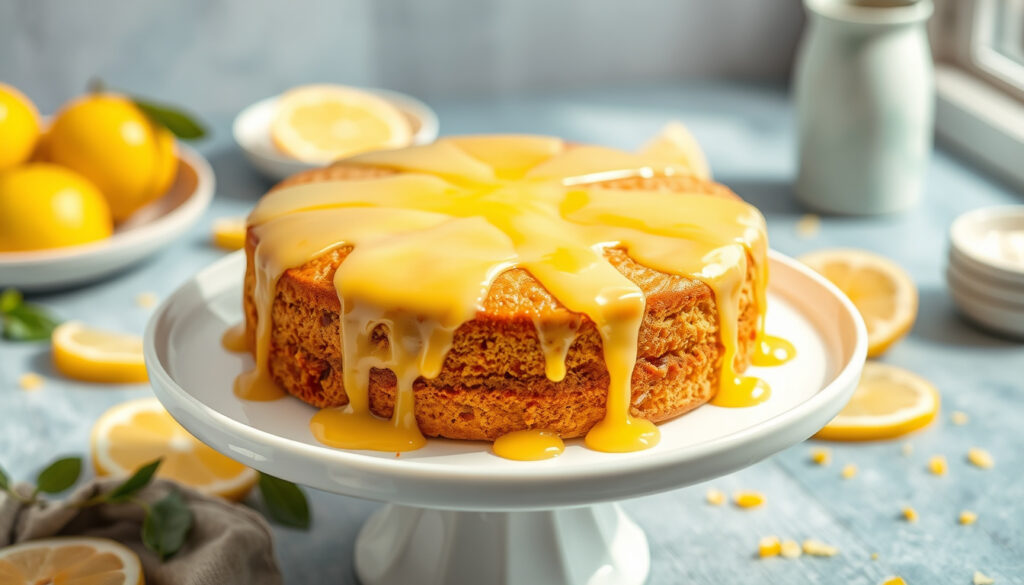
Vegan Lemon Drizzle Cake – Moist Without Eggs or Butter
The vegan lemon drizzle cake has become a staple for those seeking a plant-based twist on the classic British bake. Combining the bright tanginess of fresh lemons with a moist crumb and signature sugary glaze, this adaptation delivers the same satisfying result as traditional versions while remaining entirely dairy-free and egg-free. Whether you’re following a strict vegan baking diet or simply looking to reduce animal products in your baking, understanding how to master this recipe opens up new possibilities in your kitchen.
The growing popularity of vegan baking has led to numerous recipe interpretations, from professional publications to home bakers sharing their personal adaptations. This guide examines the core techniques, ingredient swaps, and practical considerations that distinguish successful vegan versions from their conventional counterparts. Sources consulted include established food publications and experienced bloggers who have tested these recipes extensively.
Below is an overview of what the vegan lemon drizzle cake involves at a glance.
- Oil-based fats replace butter to maintain moisture without dairy
- Lemon zest provides concentrated citrus flavor that anchors the recipe
- The crunchy drizzle topping requires just lemon juice and sugar, applied while warm
- Aquafaba serves as an effective egg replacement in many vegan cake recipes
- Ground almonds can add texture and richness to certain variations
- Yoghurt substitutions work well for achieving a tender crumb structure
| Core Ingredient | Standard Quantity | Vegan Substitutes |
|---|---|---|
| Plant milk | 240ml | Oat, almond, or soy milk |
| Vegetable oil | 125-175g | Sunflower, canola, or light olive oil |
| Self-raising flour | 175-225g | Combine plain flour with baking powder |
| Lemons | 2-3 medium | Organic unwaxed for zest |
| Caster sugar | 175-225g | White or golden sugar (check for bone-free processing) |
| Egg replacement | 2 eggs equivalent | Aquafaba, flax egg, or commercial binder |
| Drizzle sugar | 75-100g icing sugar | Standard icing sugar (typically vegan) |
Vegan Lemon Drizzle Cake BBC Good Food and Comparable Sources
BBC Good Food has published vegan lemon drizzle cake recipes that emphasize the bright, zingy character of the finished cake. Their approach typically describes the result as “light and zingy,” positioning the cake as a citrus-forward dessert that appeals to those seeking bold flavors without animal products. The publication notes that traditional drizzle techniques transfer well to vegan adaptations, particularly regarding the syrup method where lemon juice and sugar are poured over a warm cake to create a crisp, sweet coating.
When comparing different branded recipe sources, notable differences emerge in how they handle the egg-free challenge. The BBC Good Food guide to aquafaba explains that this chickpea liquid whips similarly to egg whites and provides structure in cakes, making it a reliable swap in recipes that originally called for eggs as a leavening agent. This resource helps bakers understand the science behind vegan substitutions rather than simply following a formula.
How Egg Replacements Work in Drizzle Cakes
Eggs serve multiple functions in traditional cake batter: they add moisture, contribute to structure, and help trap air during creaming. Vegan replacements address these roles differently depending on the type chosen. Aquafaba excels at mimicking egg white properties, creating a lighter crumb, while flax eggs add density and a subtle nutty note that complements lemon flavor.
King Arthur Baking’s vegan cake tips resource recommends testing your chosen egg replacement in small batches before committing to a full recipe. This approach allows bakers to adjust liquid ratios and understand how their specific substitution behaves in the oven, particularly regarding rise and texture.
When using aquafaba for the first time, substitute one tablespoon of chickpea liquid per egg called for in the original recipe. The liquid should be at room temperature for best incorporation.
The Drizzle Technique Across Brands
The signature drizzle method requires attention to timing and temperature. According to recipes from multiple sources, the lemon syrup should be applied while the cake remains warm from the oven. A skewer or fork is used to prick holes across the surface, allowing the liquid to seep into the crumb rather than sitting on top. This technique, well-documented in BBC Good Food’s lemon drizzle cake, creates the characteristic contrast between the soft interior and the crisp, sugary exterior.
Professional patisserie blogger Jane’s Patisserie describes the result of their easy loaf version as “delightful,” emphasizing that the simplicity of the technique makes it accessible to novice bakers. Their approach focuses on achieving a consistent drizzle pattern that covers the entire surface without overwhelming the cake’s structure.
Vegan Lemon Drizzle Cake with Ground Almonds
Adding ground almonds to a lemon drizzle cake introduces several benefits: increased moisture retention, a richer flavor profile, and a denser texture that holds up well to the drizzle syrup. This variation appeals to those seeking a more substantial crumb or working with dietary restrictions that benefit from nut-based flour additions.
The Schoolnightvegan blog, known for their enthusiastic and tangy-focused content, highlights how almond flour can enhance the nuttiness that might otherwise be missing from vegan baked goods. Their high-depth approach provides detailed instructions for incorporating ground almonds without overwhelming the lemon’s brightness.
Achieving the Right Texture Balance
When substituting portion of the flour with ground almonds, reduce the overall quantity of liquid slightly to account for the natural oils the nuts release during baking. A common starting point involves replacing approximately 25-30% of the flour weight with almond flour, adjusting based on the batter’s consistency. Recipes from The Kitchen Sanctuary note that this level of substitution maintains structural integrity while adding noticeable richness.
For every 50g of ground almonds added, reduce liquid ingredients by roughly 2 tablespoons to prevent a gummy texture in the finished cake.
Yoghurt and Oil-Free Variations
Vegan yoghurt can replace oil in certain cake formulations, though this substitution works best when the yoghurt is thick and unsweetened. The result tends toward a denser, more tender crumb compared to oil-based versions. Bakers report that yoghurt versions benefit from a slightly longer mixing time to ensure the yogurt incorporates fully before baking.
Fully oil-free vegan lemon drizzle cakes exist but require careful balance of other moisture sources. These versions typically rely on increased plant milk or fruit purees to compensate for the fat, which affects both flavor and shelf life. The vegan lemon drizzle cake demonstration describes the outcome as “zingy, moist and delicious,” suggesting that successful oil-free adaptations are achievable with proper technique.
Oil-free vegan cakes generally stay fresh for 2-3 days compared to 4-5 days for oil-based versions. Store in an airtight container at room temperature or refrigerate for longer storage.
Comparing Traditional and Vegan Approaches
A side-by-side comparison of traditional lemon drizzle cake recipes reveals notable differences between Nigella Lawson’s approach and Mary Berry’s version that inform how vegan adaptations might be structured. Nigella’s recipe achieved higher scores for overall appearance and moisture content, largely attributed to the generous drizzle application and the use of caster sugar for icing. Mary Berry’s version, featuring four eggs and 225g of baking spread, produced a yellower cake with more pronounced buttery character despite scoring slightly lower overall. For a delicious vegan lemon drizzle cake, you can find a great recipe at $hoe kook je rijst.
| Aspect | Traditional (Nigella) | Traditional (Mary Berry) | Vegan Adaptation Considerations |
|---|---|---|---|
| Egg content | 2 large eggs | 4 eggs | Aquafaba provides structure; may need less liquid |
| Fat source | 125g butter | 225g baking spread | Oil or vegan butter achieves similar moisture |
| Flour weight | 175g self-raising | Not specified in comparison | Typical vegan uses 175-225g flour range |
| Appearance score | 8/10 | 7/10 | Results vary by recipe; test for best finish |
| Moisture level | More moist (generous drizzle) | Similar consistency | Drizzle technique transfers directly to vegan versions |
| Lemon flavor | More pronounced | Less pronounced | Use 2-3 lemons for comparable brightness |
Timeline: Vegan Lemon Drizzle Cake From Start to Finish
Understanding the sequence of steps helps bakers plan their approach and timing, particularly when accommodating the cooling period required before applying the drizzle.
- Prepare your workspace and preheat the oven to 180°C (350°F). Grease and line your loaf or round cake tin. Time: 5 minutes
- Combine wet and dry ingredients by mixing plant milk, oil, lemon zest, and your chosen egg replacement in one bowl. Fold in self-raising flour until just combined. Time: 5-7 minutes
- Bake the cake for 45-50 minutes until golden and a skewer inserted into the center comes out clean. Time: 45-50 minutes
- Cool slightly in the tin before removing to a wire rack. The cake should still be warm but not hot when the drizzle is applied. Time: 10-15 minutes
- Prepare the drizzle syrup by mixing lemon juice with icing sugar until smooth and pourable. Time: 2 minutes
- Apply the drizzle by pricking the warm cake with a skewer and pouring the syrup evenly across the surface. Allow to set before serving. Time: 15-30 minutes
What Works and What Remains Unclear
The research establishes several aspects of vegan lemon drizzle cake with reasonable confidence while leaving some questions incompletely addressed.
Established Information
- Oil effectively replaces butter in vegan versions
- Aquafaba works as an egg replacement in many cake recipes
- The drizzle technique transfers directly from traditional to vegan recipes
- Lemon zest provides essential citrus flavor
- Recipes achieve a “zingy, moist and delicious” result when properly executed
- BBC Good Food, Schoolnightvegan, and other sources provide tested vegan recipes
Unclear or Limited Information
- Specific ground almond ratios for optimal texture remain undefined in searched sources
- Yoghurt substitution quantities and their effects on rise are not comprehensively documented
- No detailed nutrition data is available for most vegan adaptations
- Domestic Gothess recipe specifics not fully captured in accessible sources
- Oil-free versions lack standardized formulations across sources
- Long-term storage comparison data is limited
The Evolution of the Classic Drizzle Cake
The lemon drizzle cake traces its roots to traditional British baking, where simple, ingredient-light cakes were designed for everyday consumption. The modern drizzle technique—applying sugar syrup to a warm cake to create a sweet, crisp coating—became increasingly popular through television personalities like Nigella Lawson’s Lemon Drizzle Cake, which demonstrated how accessible ingredients could produce impressive results.
The vegan adaptation movement gained momentum alongside broader interest in plant-based eating, with recipe developers recognizing that the drizzle cake’s relatively simple ingredient list made it well-suited for substitution experiments. The core structure—flour, sugar, fat, liquid, and citrus—adapts readily because none of these components inherently requires animal products. The challenge has shifted from whether vegan drizzle cakes can work to how bakers can optimize their specific approach based on dietary needs and flavor preferences.
What Recipe Sources Say
Professional and home recipe sources provide consistently positive assessments of properly made vegan lemon drizzle cakes. BBC Good Food describes their version using descriptors such as “light” and “zingy,” emphasizing the citrus-forward character that defines the cake. Schoolnightvegan focuses on achieving a “tangy” flavor profile complemented by the crunchy glaze texture.
“A zingy, moist and delicious vegan cake that proves plant-based baking can deliver on both flavor and texture.”
— YouTube demonstration of vegan lemon drizzle cake
The Kitchen Sanctuary’s recipe structure demonstrates that blog-based sources often provide comprehensive step-by-step guidance, including tips blocks that address common pitfalls. Their medium-depth approach balances thoroughness with accessibility, making the recipe approachable for home bakers without professional training.
“Light and zingy with a tangy finish that balances the sweetness of the drizzle.”
— BBC Good Food recipe description
Summary
The vegan lemon drizzle cake represents a successful adaptation of a British baking classic, achievable through straightforward substitutions for eggs and dairy. The technique remains consistent with traditional versions: apply a lemon-sugar syrup to a warm cake, allowing the liquid to penetrate while the sugar forms a crisp topping. Sources from BBC Good Food to home bloggers confirm that results can be “zingy, moist and delicious” when properly executed. For those exploring plant-based baking, starting with a tested recipe from a reputable source provides the best foundation before experimenting with ingredient variations such as ground almonds, yoghurt, or oil-free formulations.
Frequently Asked Questions
Can I adapt Nigella Lawson’s lemon drizzle cake into a vegan version?
Nigella Lawson’s original recipe uses butter, eggs, and milk. To veganize it, replace butter with a plant-based alternative of the same weight, substitute aquafaba or a commercial egg replacer for the eggs, and use any unsweetened plant milk in place of dairy milk. The drizzle and baking technique remain unchanged.
Does Mary Berry have a vegan lemon drizzle cake recipe?
Mary Berry’s traditional recipe uses eggs and baking spread. While she has not published an official vegan adaptation, the same substitution principles apply. Sources do not provide a specific veganized version of her recipe, but her approach of using four eggs and 225g fat offers a template for creating a vegan equivalent.
What is Domestic Gothess’s approach to vegan lemon drizzle cake?
Domestic Gothess is known for allergy-friendly and vegan baking recipes, though detailed information about their specific lemon drizzle cake adaptation was not fully captured in available sources. Their blog typically emphasizes precise measurements and techniques for achieving professional-quality results in home kitchens.
Can I use yoghurt in a vegan lemon drizzle cake?
Yes, thick vegan yoghurt can replace oil in lemon drizzle cake recipes, producing a denser, more tender crumb. Reduce other liquid ingredients slightly to compensate, and ensure thorough mixing to incorporate the yoghurt fully before baking.
Is it possible to make a vegan lemon drizzle cake without oil?
Oil-free vegan lemon drizzle cakes are achievable using alternatives such as vegan yoghurt, apple sauce, or increased plant milk. These substitutions affect both texture and shelf life, with oil-free versions typically lasting 2-3 days compared to 4-5 days for oil-based cakes.
More related posts
 We Buy Any Phone – In-Depth Review for UK Sellers
 When Is Spotify Wrapped 2025 – Release Date and Access Guide
 Baseball Caps for Men – Complete UK Buying Guide for 2025
 Size 36 in UK – Complete Clothes and Shoes Conversion Guide
 Life in the UK – Cost Pass Mark Booking Prep Guide
 Cast of the Thundermans – Complete Guide to Actors and 2025 Movie
 England Rugby World Cup – Complete History and Upcoming Tournaments
 Southend On Sea Weather – 10-Day Forecast and Tide Times
