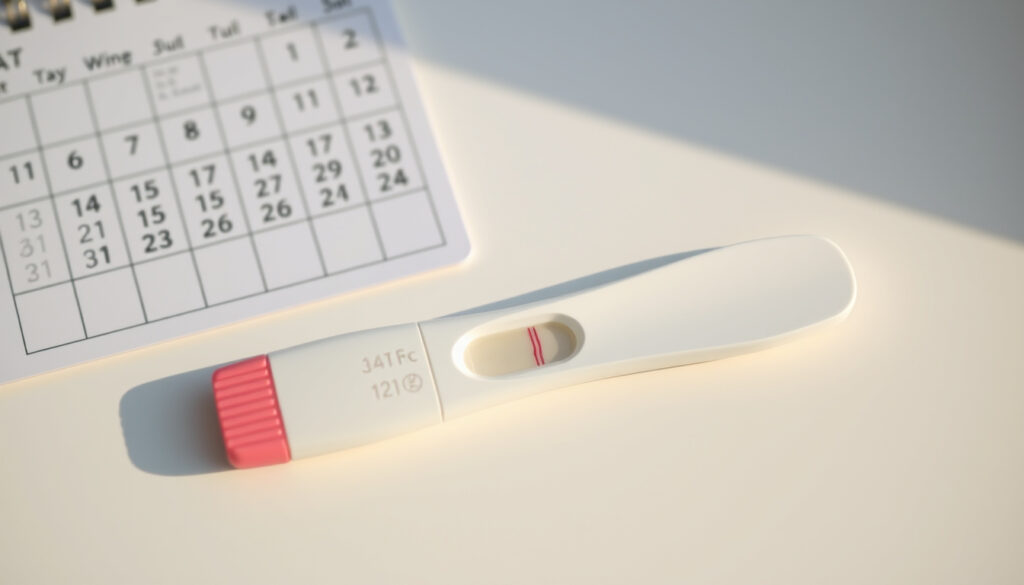
What Is a Chemical Pregnancy – Causes, Symptoms, Next Steps
What Is a Chemical Pregnancy?
A chemical pregnancy represents one of the most common early pregnancy experiences, yet many people never realize they have been through one. This type of pregnancy loss occurs so early in the developmental process that it often goes undetected without specific testing. Understanding what a chemical pregnancy is, what causes it, and what symptoms to watch for can help individuals navigate this experience with greater clarity and confidence.
The term may sound clinical or confusing, but a chemical pregnancy is essentially a very early miscarriage that takes place within the first five weeks of pregnancy. Despite occurring before an embryo becomes visible on ultrasound, the body still registers the pregnancy through hormonal changes, which is why many are identified through pregnancy tests before any other confirmation is possible.
Research from major medical institutions indicates that chemical pregnancies are remarkably common, accounting for a significant portion of all pregnancy losses. While the experience can be emotionally challenging, medical experts emphasize that most individuals who experience a chemical pregnancy go on to have successful pregnancies in the future.
What Is a Chemical Pregnancy?
A chemical pregnancy, also referred to as a biochemical pregnancy, is a very early miscarriage that occurs within the first five weeks of pregnancy, before the pregnancy can be detected on an ultrasound scan. During this process, an embryo forms and successfully implants in the uterine lining but then stops developing, typically within just a few days of implantation. The pregnancy is initially confirmed through a positive pregnancy test due to rising hCG (human chorionic gonadotropin) levels, but the developing tissue never progresses far enough to be visible on imaging or to sustain itself.
The pregnancy is identified solely through chemical markers—specifically hormone levels detected in blood or urine tests—rather than through ultrasound visualization. This is why it is called a “chemical” or “biochemical” pregnancy.
Quick Reference Overview
| Aspect | Details |
|---|---|
| Definition | Very early pregnancy loss occurring after implantation but before ultrasound detection |
| Timing | Within the first 4–5 weeks of pregnancy |
| Detection Method | Positive pregnancy test followed by bleeding or negative test |
| Prevalence | Estimated to account for up to 25–50% of all conceptions |
Key Facts About Chemical Pregnancies
- Chromosomal abnormalities represent the primary cause in most cases
- The experience is not caused by anything the individual did or failed to do
- Most women who experience a chemical pregnancy go on to have healthy pregnancies
- No medical treatment is typically required, as the body resolves itself naturally
- Many chemical pregnancies go unrecognized because symptoms resemble a normal period
- HCG levels decline relatively quickly after the pregnancy stops developing
What Causes a Chemical Pregnancy?
Medical research consistently identifies chromosomal abnormalities as the primary cause of chemical pregnancies. When an embryo receives an abnormal number of chromosomes during fertilization—a condition known as aneuploidy—the resulting combination becomes incompatible with continued development. The body recognizes this developmental incompatibility and naturally ends the pregnancy, typically before the embryo has progressed far enough to register on an ultrasound examination.
According to information published by the Cleveland Clinic, chromosomal problems account for the majority of identified cases, though determining the exact cause in any specific situation is rarely straightforward. The spontaneous nature of chromosomal errors during cell division means these events typically occur randomly and do not indicate any underlying parental health condition.
Additional Contributing Factors
While chromosomal abnormalities lead the list of causes, several other factors may potentially contribute to early pregnancy loss. These include hormonal imbalances where hormone levels are either too high or too low to support continued development. Certain infections, including some sexually transmitted infections, may also interfere with early implantation and development. Underlying health conditions such as thyroid disorders, diabetes, and polycystic ovarian syndrome (PCOS) can create environments less conducive to early pregnancy maintenance.
The exact cause in any specific case is rarely definitively identified. Healthcare providers may recommend testing if chemical pregnancies occur repeatedly, as this pattern could warrant investigation into underlying factors that might be addressed.
What Are the Symptoms of a Chemical Pregnancy?
Chemical pregnancy symptoms often closely resemble a slightly heavier or more delayed menstrual period, which is why many individuals do not realize they have experienced an early pregnancy loss. Recognizing the signs can be challenging, particularly when the pregnancy ends before the person knew they were pregnant.
Common Signs at Four Weeks
At around four weeks gestation, several indicators may suggest a chemical pregnancy. A positive pregnancy test followed by a negative result days or weeks later represents one of the most telling signs, as hCG levels begin declining when the pregnancy stops developing. Light to moderate vaginal bleeding or spotting may occur, sometimes appearing about a week before the expected menstrual period. Mild abdominal cramping may accompany the bleeding, and some individuals experience cramping more intense than typical menstrual discomfort. A late period—arriving approximately a week later than usual—may also signal a chemical pregnancy.
Blood tests revealing declining hCG levels provide additional confirmation. According to Texas Children’s Hospital, hCG levels typically decrease by approximately 50% every two days following a chemical pregnancy, though the exact rate depends on initial hormone concentrations.
Bleeding Characteristics
The bleeding experienced during a chemical pregnancy can vary significantly from person to person. While some individuals report what appears to be a completely normal menstrual period, others notice heavier flow accompanied by more intense cramping and small blood clots. The passing of tissue can take several days to a few weeks, depending on the individual and how far development had progressed before the pregnancy ended.
Most people do not experience severe pain or heavy bleeding with a chemical pregnancy. Intense pain, significant dizziness, or heavy bleeding beyond typical menstrual flow may indicate another condition requiring immediate medical evaluation, such as an ectopic pregnancy.
Chemical Pregnancy vs. Miscarriage: Key Differences
The key distinction between a chemical pregnancy and other types of miscarriage lies in timing and detectability. A chemical pregnancy occurs before gestational week 5 and cannot be seen on ultrasound, whereas a clinical miscarriage is typically identified after the pregnancy becomes visible on imaging. According to the Cleveland Clinic, chemical pregnancies are identified primarily through positive pregnancy tests that subsequently turn negative, before any embryonic development reaches a stage detectable by ultrasound technology.
Clinical miscarriages generally refer to losses occurring after the pregnancy can be confirmed through ultrasound, often after fetal cardiac activity has or should have developed. These losses may be further categorized by timing—threatened, inevitable, incomplete, complete, or recurrent—based on clinical presentation and progression. The emotional and physical experiences associated with clinical miscarriages often differ from chemical pregnancies due to the later gestational stage and more advanced development.
Both experiences represent genuine forms of pregnancy loss, and individuals may experience a range of emotional responses regardless of how early or late the loss occurs. The Miscarriage Association notes that support and understanding are equally important for all types of pregnancy loss, including chemical pregnancies.
Is a Chemical Pregnancy a Good Sign for Fertility?
Many individuals wonder whether experiencing a chemical pregnancy indicates future fertility problems. According to information from Texas Children’s Hospital and the Cleveland Clinic, most women who experience chemical pregnancies go on to have healthy pregnancies afterward. This suggests that a single chemical pregnancy, or even multiple occurrences, does not necessarily signal permanent fertility challenges.
In fact, the occurrence of a chemical pregnancy may be viewed as evidence that conception is possible, particularly for individuals or couples actively trying to conceive. The successful implantation that precedes a chemical pregnancy demonstrates that the reproductive system is functioning in a manner that allows fertilization and early embryonic development to proceed.
IVF Considerations
For individuals undergoing in vitro fertilization (IVF), a chemical pregnancy is often identified earlier due to close monitoring of hCG levels following embryo transfer. While a chemical pregnancy following IVF can be disappointing, reproductive specialists generally view it as a positive indicator that the embryo was capable of implanting. Treatment protocols may be adjusted based on patterns, but a single early loss typically does not alter the overall treatment approach significantly.
If you have concerns about fertility following a chemical pregnancy, speaking with a reproductive endocrinologist or fertility specialist can provide personalized guidance based on your medical history and specific circumstances.
Can You Prevent a Chemical Pregnancy?
Since chromosomal abnormalities cause the majority of chemical pregnancies, preventing these occurrences is inherently challenging. Most chromosomal errors arise randomly during cell division and are not the result of parental actions or lifestyle choices. This means that in most cases, chemical pregnancies cannot be prevented through behavioral changes or precautions.
However, managing underlying health conditions known to contribute to early pregnancy loss may help reduce risk factors. Maintaining stable hormone levels, effectively treating thyroid disorders, managing diabetes carefully, and addressing polycystic ovarian syndrome with appropriate medical care all represent steps that may support healthier early pregnancy development.
Preconception Health Strategies
While no strategy guarantees prevention of chemical pregnancy, adopting a healthy lifestyle before conception supports overall reproductive wellness. This includes maintaining a healthy weight, ensuring adequate nutrition, avoiding smoking and excessive alcohol consumption, managing stress levels, and taking prenatal vitamins containing folic acid. Regular prenatal care and pre-conception counseling can help identify and address factors that might be modifiable before pregnancy occurs.
For individuals experiencing recurrent chemical pregnancies—generally defined as two or more—a thorough medical evaluation may be recommended to identify any underlying factors that could be contributing to early pregnancy loss. This might include hormone testing, uterine cavity evaluation, or assessment for infections or immune factors.
Timeline of Events
Understanding the sequence of events during a chemical pregnancy can provide context for this experience. The following timeline outlines what typically occurs from ovulation through resolution.
- Ovulation and fertilization: An egg is released and becomes fertilized by sperm, forming a zygote that begins dividing as it travels toward the uterus.
- Implantation: Approximately 6–12 days following ovulation, the developing embryo implants into the uterine lining, and hCG production begins.
- Early hCG detection: Rising hCG levels become detectable through blood tests or home pregnancy tests, confirming the initial stages of pregnancy.
- Development stops: Chromosomal abnormalities or other factors cause the embryo to stop developing, typically within days of successful implantation.
- HCG decline: hCG levels begin falling as the pregnancy tissue stops developing, decreasing by approximately 50% every two days on average.
- Bleeding and resolution: The body expels the pregnancy tissue, resulting in bleeding that often resembles a normal or slightly heavier period, occurring around weeks 4–5.
What Is Known and Unknown
Medical science has established certain facts about chemical pregnancies while other aspects remain subjects of ongoing research. Understanding the distinction between established knowledge and areas of uncertainty can help individuals contextualize their experiences.
| What Is Established | What Remains Uncertain |
|---|---|
| Chemical pregnancies are identified through blood or urine tests showing positive hCG followed by declining levels | Exact prevalence rates vary significantly between sources; true frequency likely underreported |
| The pregnancy ends before ultrasound detection, typically before week 5 | Whether all chromosomal abnormalities causing chemical pregnancies could potentially be prevented |
| Chromosomal abnormalities are the primary identified cause | Why some individuals experience recurrent chemical pregnancies while others do not |
| Most individuals who experience a chemical pregnancy go on to have successful pregnancies | Whether very early identification of chemical pregnancy could lead to interventions that change outcomes |
| No medical treatment is typically required | The full range of factors that might contribute to early embryonic arrest |
Understanding the Broader Context
Chemical pregnancies exist within a spectrum of early pregnancy experiences that many individuals encounter during their reproductive years. Approximately one-quarter of all pregnancies end before the first 20 weeks, with about 80% of those losses occurring early in pregnancy. This means that pregnancy loss, including chemical pregnancy, affects a substantial portion of the population, though exact statistics vary depending on detection methods and reporting practices.
The emotional impact of a chemical pregnancy should not be underestimated simply because the loss occurs early. Individuals and couples who were actively trying to conceive or who had received positive pregnancy test results may experience grief, disappointment, and anxiety about future pregnancies regardless of how early the loss occurred. Support resources from organizations including the Miscarriage Association and Tommy offer guidance for those navigating these feelings.
The experience of a chemical pregnancy can also affect how individuals approach future pregnancy testing and early prenatal care. Some people may feel anxious about testing early, while others may feel reassured by the knowledge that even early losses do not typically indicate permanent fertility problems.
Expert Guidance and Medical Sources
Information about chemical pregnancies is available from multiple credible medical sources, each offering perspective based on clinical experience and research. The Cleveland Clinic provides detailed clinical information about causes, symptoms, and management approaches. The Miscarriage Association offers support-focused resources specifically for individuals experiencing pregnancy loss. Tommy, a UK-based baby loss charity, provides accessible explanations of different loss types and support resources.
“Chemical pregnancies typically do not require medical intervention or treatment. The body naturally resolves the pregnancy without need for medical procedures. However, if you experience intense pain, dizziness, or heavy bleeding, medical evaluation is warranted to rule out other conditions.”
The American College of Obstetricians and Gynecologists also provides guidance on early pregnancy loss, offering clinical frameworks for understanding and managing these experiences. Individuals seeking personalized medical advice should consult healthcare providers who can consider their specific circumstances and medical history.
Summary
A chemical pregnancy represents a very early pregnancy loss that occurs before the fifth week of pregnancy and before the developing embryo can be detected on ultrasound. The condition is identified through positive pregnancy test results that subsequently become negative as hCG levels decline. Chromosomal abnormalities represent the primary cause, though exact causes remain difficult to pinpoint in individual cases.
Symptoms may include vaginal bleeding, abdominal cramping, and a late period that resembles a normal menstrual cycle. Most individuals who experience chemical pregnancies go on to have healthy pregnancies, and no medical treatment is typically required for resolution. While prevention is not always possible due to the random nature of chromosomal errors, managing underlying health conditions and maintaining preconception health represent proactive steps individuals can take. For those seeking support or more information about early pregnancy loss, resources from Planned Parenthood and medical providers offer guidance tailored to various needs.
Frequently Asked Questions
How much bleeding is normal in early pregnancy?
Light spotting in early pregnancy can be normal during implantation. However, heavy bleeding similar to or heavier than a typical period may indicate a chemical pregnancy or other concern requiring medical evaluation.
What are the earliest symptoms of pregnancy?
Early pregnancy symptoms may include missed period, breast tenderness, fatigue, nausea, increased urination, and mood changes. Some individuals also experience light spotting as the embryo implants.
Can you still have a period and be pregnant?
Bleeding that occurs during pregnancy is not technically a period, though it may be mistaken for one. Any bleeding during pregnancy should be discussed with a healthcare provider to rule out complications.
How long should I wait to try to conceive after a chemical pregnancy?
Most healthcare providers suggest waiting until after one normal menstrual cycle before attempting to conceive again, though this varies based on individual circumstances. A healthcare provider can offer personalized guidance.
When should I see a doctor after a chemical pregnancy?
While single chemical pregnancies typically do not require follow-up, medical evaluation is recommended if you experience intense pain, heavy bleeding, dizziness, or if chemical pregnancies occur repeatedly.
Does a chemical pregnancy count as a miscarriage?
Yes, a chemical pregnancy is technically a very early miscarriage. Some clinical frameworks distinguish it from later pregnancy losses due to timing, but it remains a form of pregnancy loss.
Will a chemical pregnancy affect future pregnancy tests?
No, a chemical pregnancy does not typically affect future pregnancy tests. Most individuals who experience chemical pregnancies go on to have successful pregnancies with normal hCG patterns in subsequent pregnancies.
What is the difference between spotting and bleeding in early pregnancy?
Spotting refers to very light bleeding that may appear as small dots or streaks, while bleeding is heavier flow that requires a pad or tampon. Heavy bleeding during early pregnancy warrants medical attention.
More related posts
 Building Merchants Near Me – Find Local Suppliers & Opening Hours
 What Time Does McDonald’s Breakfast End – UK US Hours Explained
 When Is the Next Fortnite Season – Chapter 5 Season 5 Details
 Cast of White House Down – Full List, Netflix Status and Sequel Facts
 Peru State of Emergency Travel Warning – What You Need to Know
 Taco Cat Goat Cheese Pizza – Rules, Review and UK Guide
 How Old Is Prince William – Age, Birthday and Family Facts
 iPhone 12 Release Date – Official Timeline and Model Details
